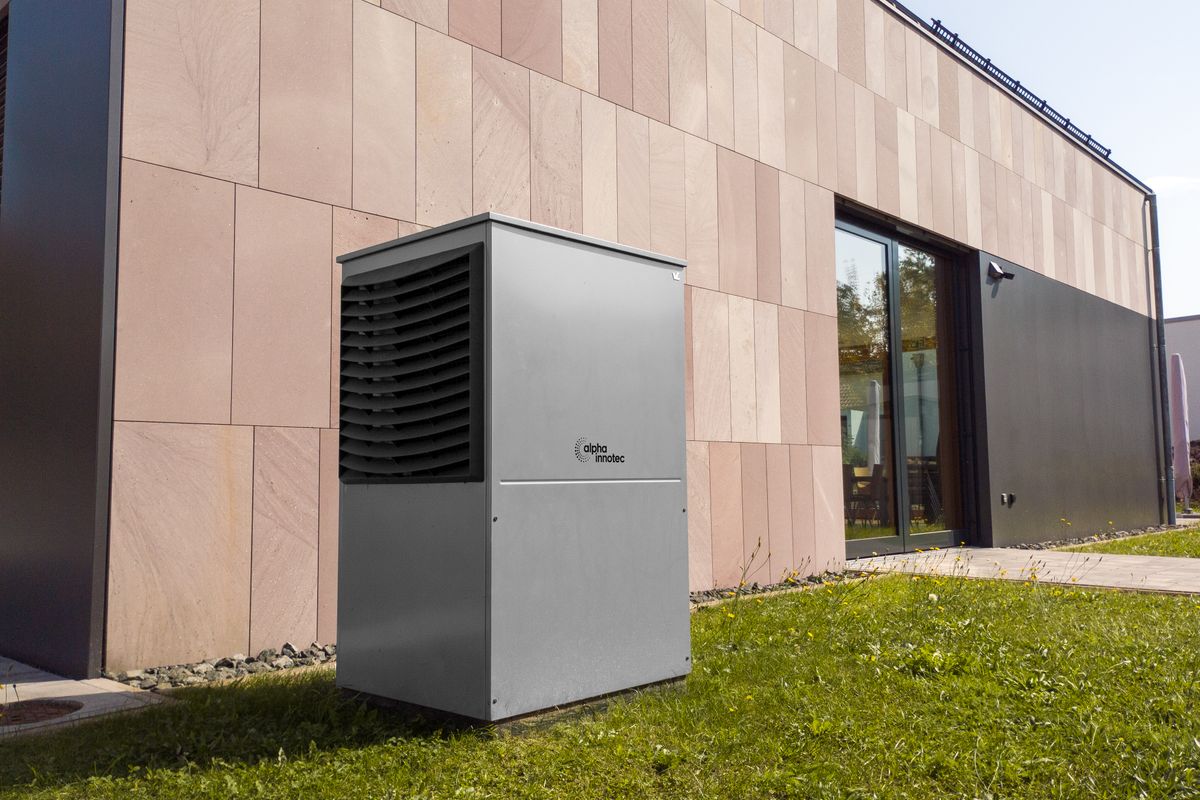
Ontario's climate creates a challenge for homeowners trying to go more efficient: we have real winters. Temperatures regularly hit -15°C, and occasionally -25°C. Standard electric systems struggle at those temps. But most of the year — fall, spring, and mild winter days — gas heating is overkill.
A dual fuel heat pump (also called a hybrid heat pump system) solves this by pairing the two technologies:
- A cold-climate heat pump handles heating and cooling when temperatures are mild to moderately cold (above roughly -10°C to -15°C)
- Your existing gas furnace kicks in automatically on the coldest days
The system switches automatically based on a temperature threshold you set. You get heat pump efficiency most of the year, gas reliability when it matters most.
How Dual Fuel Works: The "Balance Point"
Every dual fuel system has a balance point — the outdoor temperature at which the system switches from heat pump to gas furnace. This is typically set between -5°C and -15°C, depending on your heat pump model and your utility rates.
Above the balance point: heat pump runs. It pulls ambient heat from outside air and moves it inside. It's 200–300% efficient at mild temperatures — for every 1 kWh of electricity used, it delivers 2–3 kWh of heat.
Below the balance point: gas furnace takes over. It's 100% efficient (or close to it with a high-efficiency unit), consistent, and reliable regardless of outdoor temperature.
Who Is a Good Candidate for Dual Fuel?
- You have a working gas furnace that's in good condition (less than 10 years old) and want to add cooling or improve efficiency without replacing it
- You're replacing a central AC and want to get both heating and cooling from the new unit
- You want to reduce gas consumption and lower your carbon footprint without fully committing to an all-electric system
- You want the comfort of unlimited hot air delivery (gas furnaces move more heat faster than heat pumps alone)
Who Isn't a Great Fit?
- Homes without existing ductwork — ductless mini-split heat pumps are a better option
- Homes where the gas furnace needs replacement anyway — in that case, a full cold-climate heat pump system may make more sense
- Homeowners focused purely on lowest upfront cost — dual fuel systems cost more than a standalone AC + furnace
What Does a Dual Fuel System Cost in Ontario?
Expect to pay $5,000–$10,000 for a dual fuel system installation in Toronto. This includes the heat pump outdoor unit, air handler or coil upgrade for the existing furnace, and all labour. Variables: system size (tonnage), brand, and the condition of your existing furnace and ductwork.
Ontario and federal rebates can significantly reduce this cost:
- Canada Greener Homes Grant: up to $5,000 for qualifying heat pump installations
- Ontario Enbridge Gas rebates: may apply depending on current programs
- Your local hydro utility may offer additional incentives
What Brands Do We Recommend?
For Toronto's climate, we install cold-climate heat pumps from Mitsubishi, Daikin, and Bosch — all of which are rated to perform efficiently at -25°C or below. These aren't standard heat pumps; they're engineered specifically for climates like ours.
The heat pump brand needs to be compatible with your furnace for true dual fuel operation (the two need to communicate to switch automatically). We size and match the system correctly at installation — there's no guesswork.
The Bottom Line
If you have a good gas furnace and want to add cooling while dramatically improving efficiency, dual fuel is the smartest upgrade available in 2026. You get the best of both systems, with rebates making the economics work faster than ever.
To get a quote for a dual fuel heat pump system in Toronto or the GTA, call Alderwood Mechanical at 437-229-8618. We'll assess your current system and tell you exactly what makes sense for your home.
Alderwood Mechanical serves Toronto, North York, Scarborough, Etobicoke, Mississauga, Vaughan, Markham, Oakville, and surrounding GTA. G1 licensed gas fitters. No contracts. Upfront pricing.